Invisalign with a Dentist: Modern Technology, But Why It Is Not Always Better Than Braces with an Orthodontist
Clear aligners may look like the modern answer to straighter teeth, but braces with an orthodontist still deliver the most predictable results for many patients.
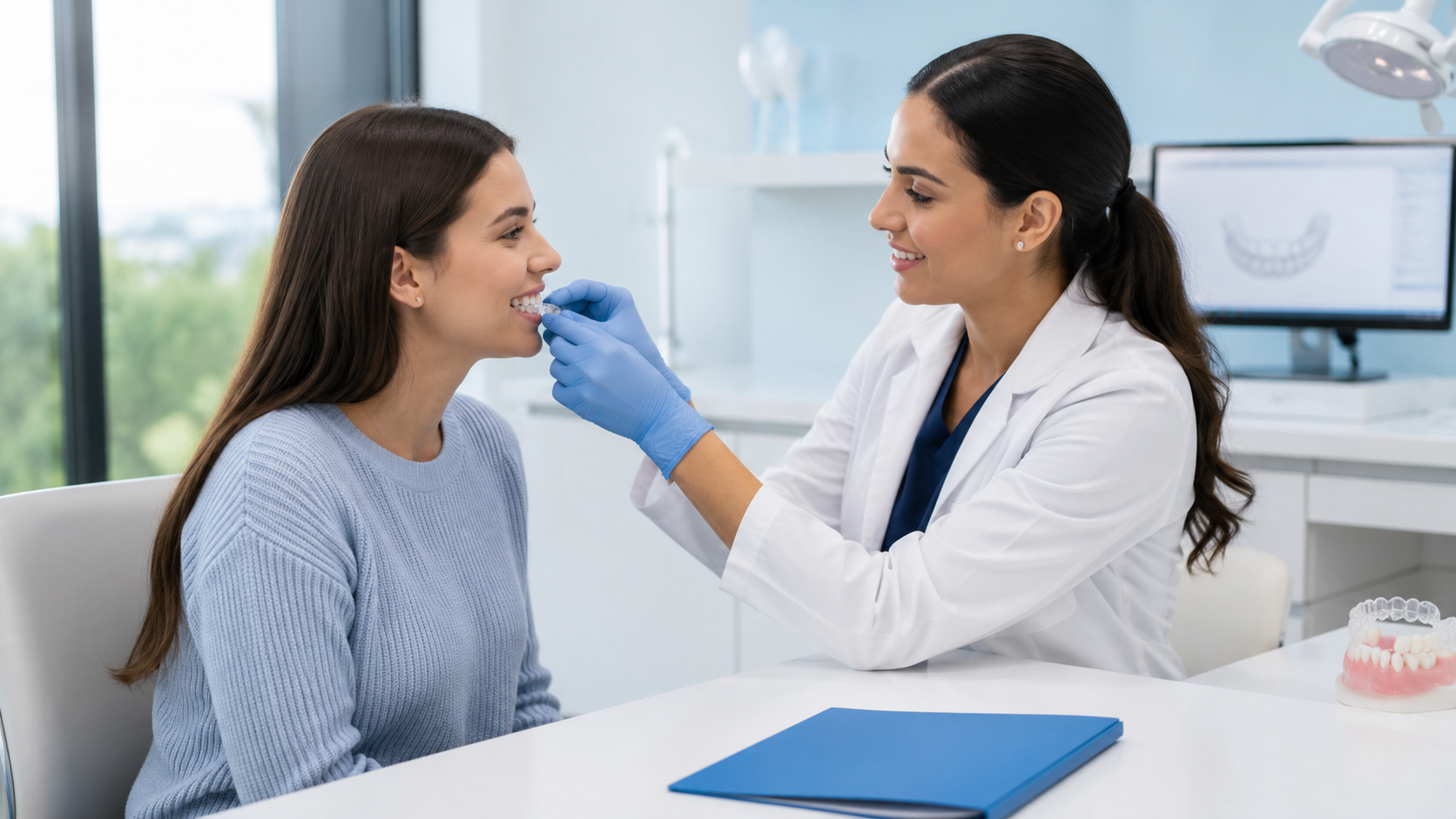
Invisalign has become a popular choice for adults and teens who want a discreet way to straighten their teeth. Its clear, removable aligners take advantage of modern digital technology, 3D scanning, and computer-guided treatment planning.
However, while Invisalign can be an excellent option in the right circumstances, it is not always the best alternative to traditional braces—especially when compared to treatment provided by a trained orthodontist.
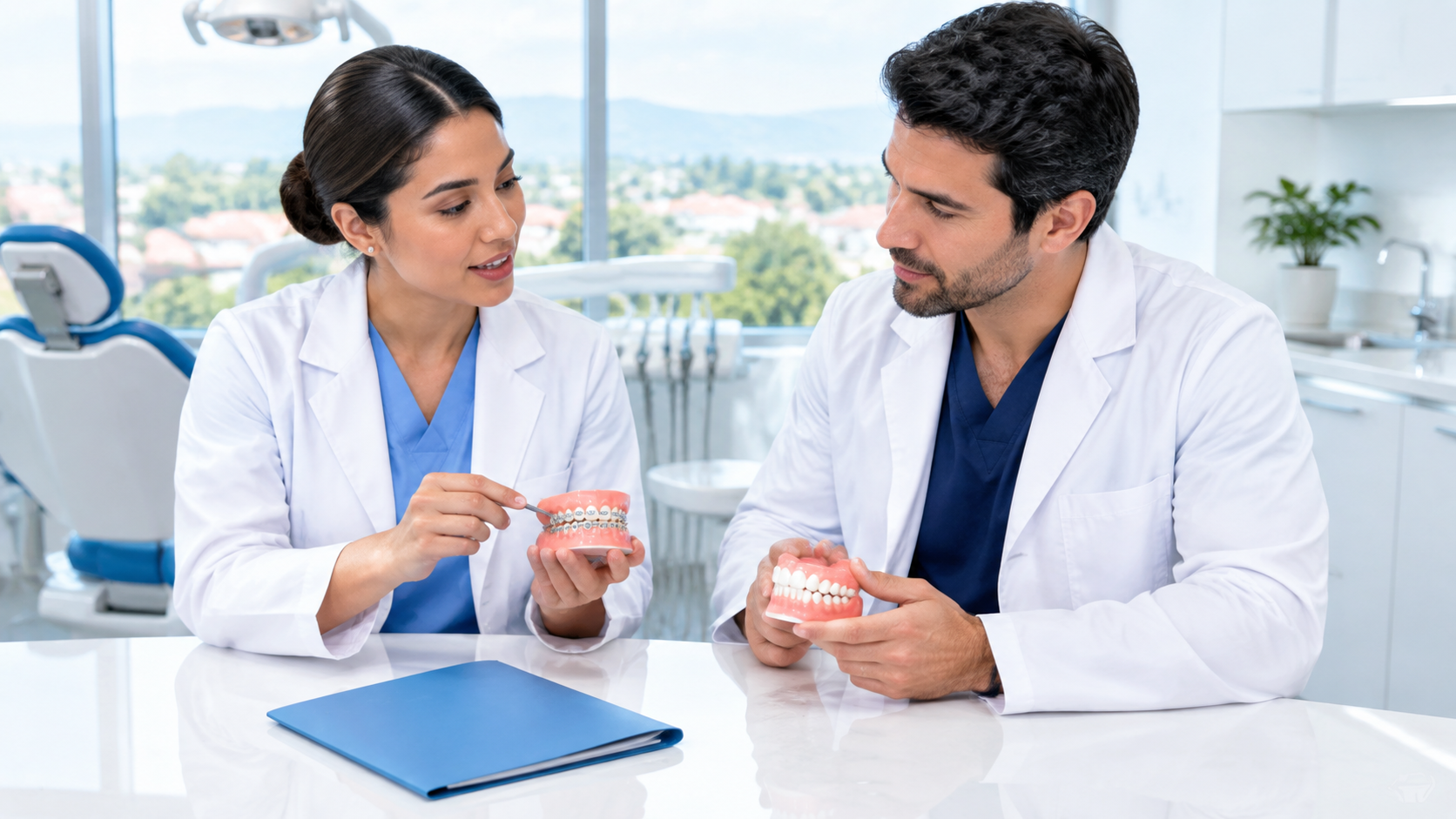
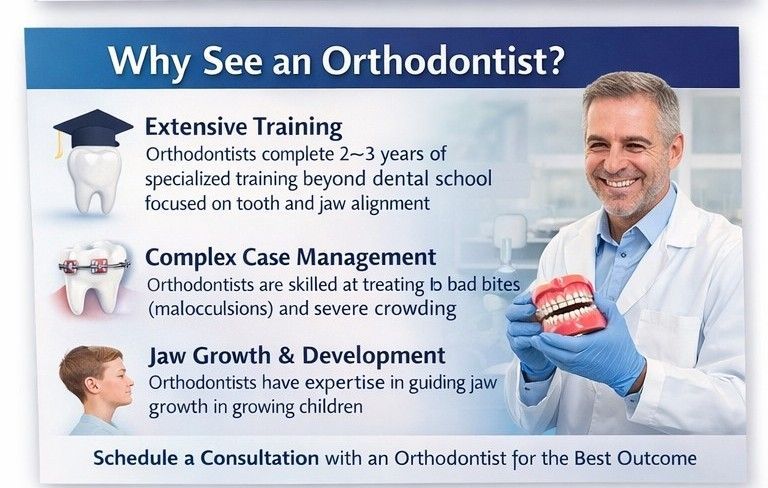
Dentists who offer Invisalign may complete short certification courses, but orthodontists spend additional years in specialized residency programs focusing solely on diagnosing and correcting bite issues.
This advanced training allows orthodontists to handle complex tooth movements, facial growth considerations, and bite corrections that aligners alone may not achieve.
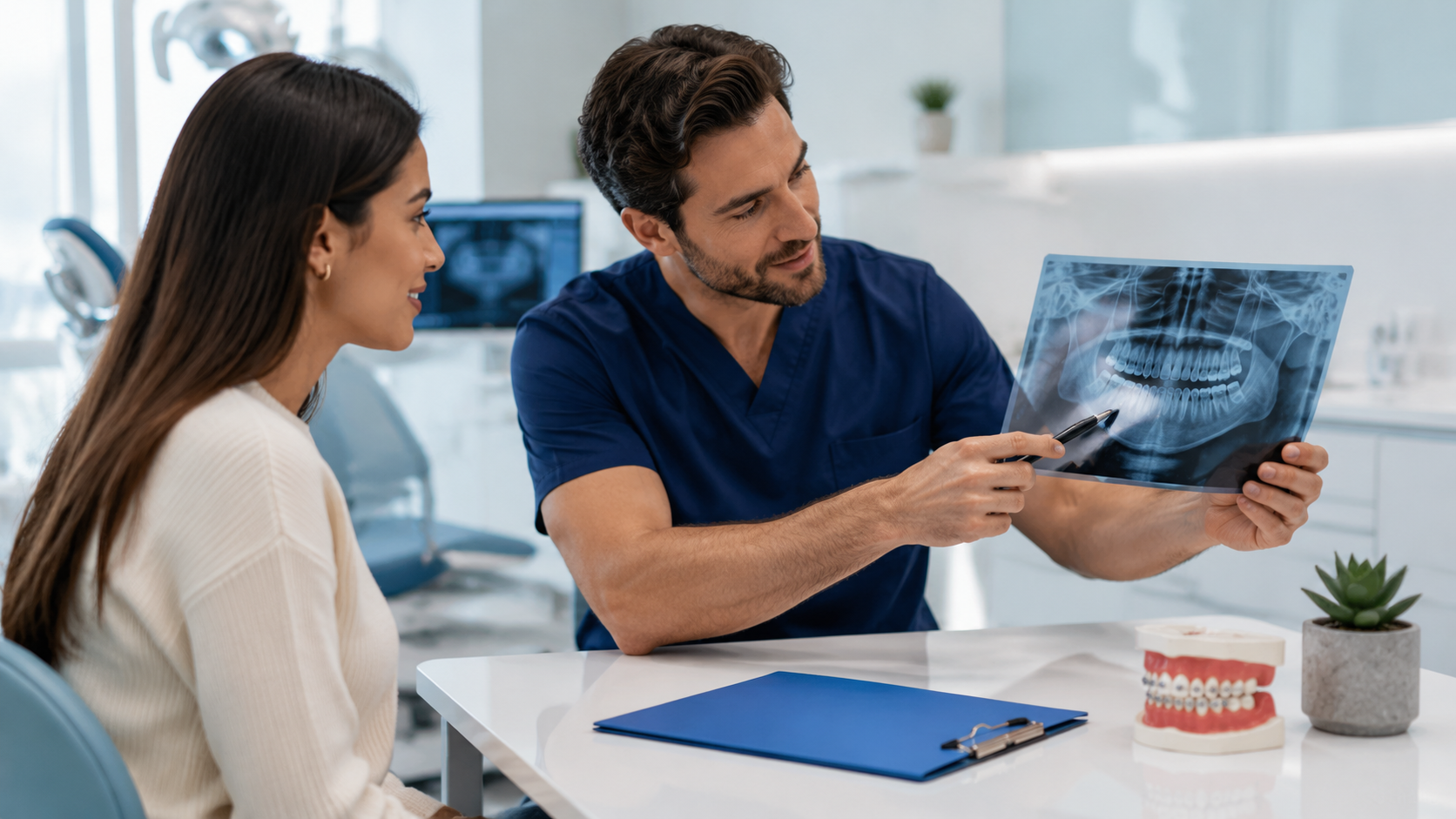
Certain orthodontic problems—such as severe crowding, significant bite discrepancies, impacted teeth, or complicated tooth rotations—simply respond better to the precision of braces.
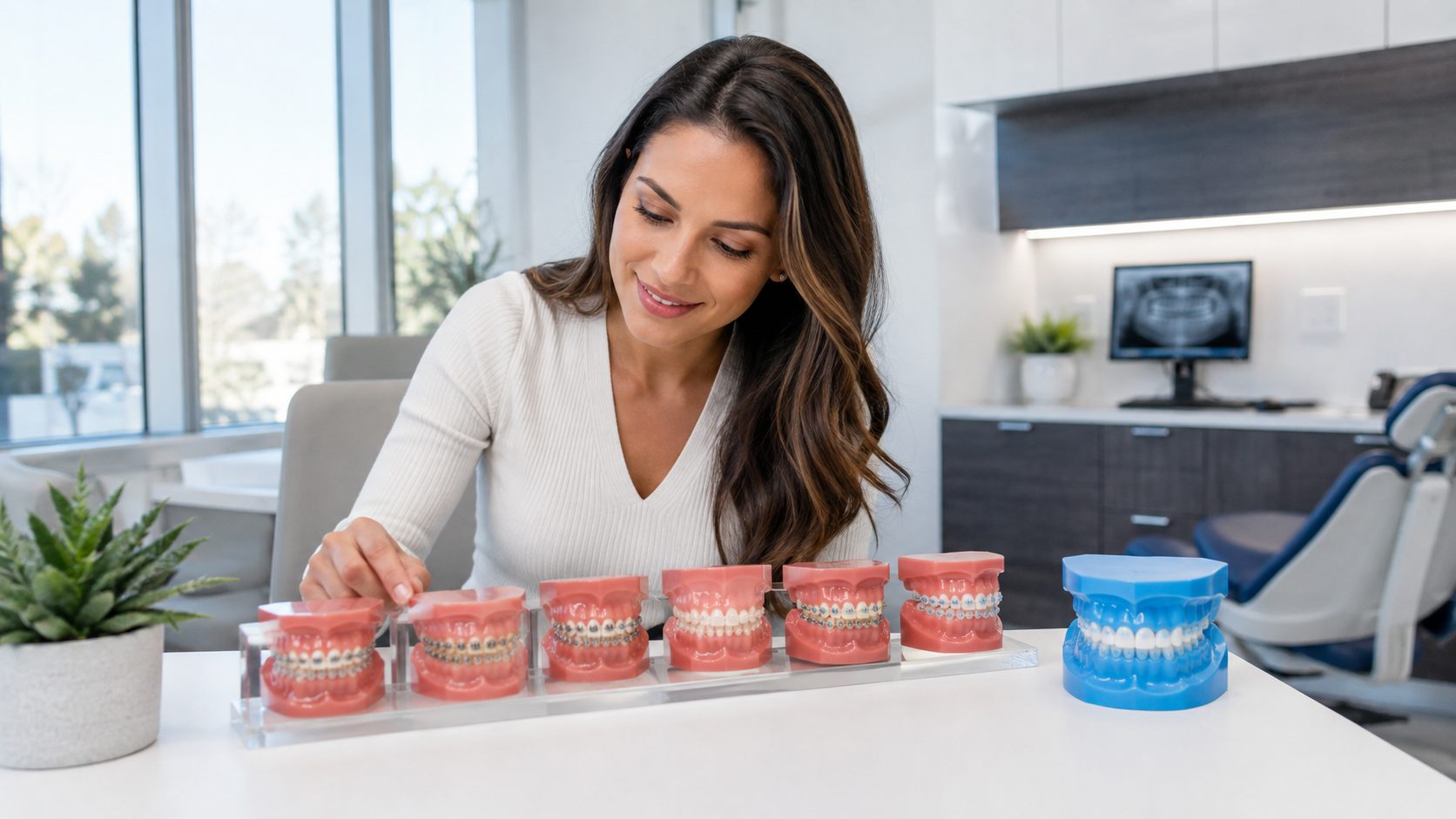
Braces give orthodontists full control over tooth movement, allowing for fine adjustments that clear aligners may struggle to accomplish.
Compliance is another factor. Invisalign must be worn 20–22 hours per day to be effective. For patients who frequently remove their aligners or forget to wear them, treatment can take longer or produce incomplete results.
Braces, on the other hand, work continuously and do not rely on patient discipline.
While Invisalign is a powerful modern tool, it is not a universal solution.
The best outcomes come from choosing the right treatment for each individual case—and that often means trusting an orthodontist’s specialized expertise.
Braces may not be as invisible, but they remain the gold standard for achieving the most predictable, stable, and healthy long-term results.